“Every frame we capture isn’t just a picture—it’s a story crafted to last a lifetime.”
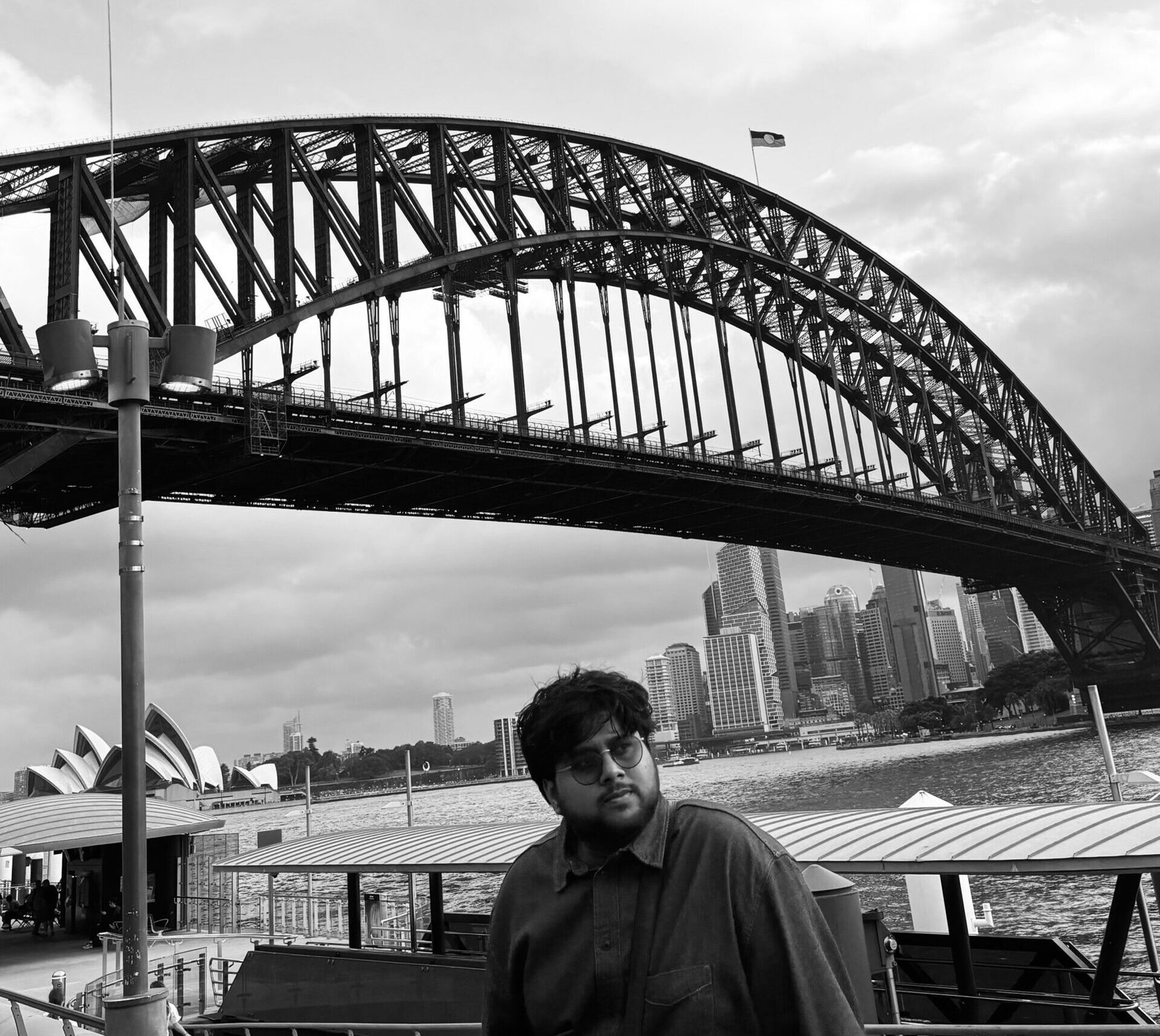
Santiago G. Drayton
/ceo
CURRENT FEATURE PROJECT
POLLAADHA
BHOOMIYIL
VAAZHA
PUDIKKUDHU
(I Like Living in my Cruel World)
CURRENT FEATURE PROJECT
POLLAADHA
BHOOMIYIL
VAAZHA
PUDIKKUDHU
(I Like Living in my Cruel World)
Feature Film | Psychological Musical Drama
Writer
One-Line
Having stared death in the eye, Mrthyu fights to carve his place in a world that silences him—transforming his pain into rap music as he chases the dream that gives his life meaning.
Core Themes
Art as resistance and immortality
Memory, erasure, and legacy
Illness and the fear of being forgotten
Rhythm as political expression
Family, trauma, and inherited silence
Core Themes
Art as resistance and immortality
Memory, erasure, and legacy
Illness and the fear of being forgotten
Rhythm as political expression
Family, trauma, and inherited silence
Synopsis
Pollaadha Bhoomiyil Vaazha Pudikkudhu (I Like Living in This Cruel World) follows Mrthyu, a young man who survives cancer but is haunted by a deeper fear—the fear of being forgotten. Raised in a fractured home within a city that silences its own, he grows up amid emotional collapse, caste violence, and inherited grief. His mother Suthanthira survives through labour and quiet endurance, while his brother Mahison slips into addiction and despair.
Mrthyu finds truth and rebellion through rhythm. Rap becomes his language of resistance—an attempt to rewrite a life that was never meant to be heard. He turns noise into protest, his music carries rage, longing, and defiance.
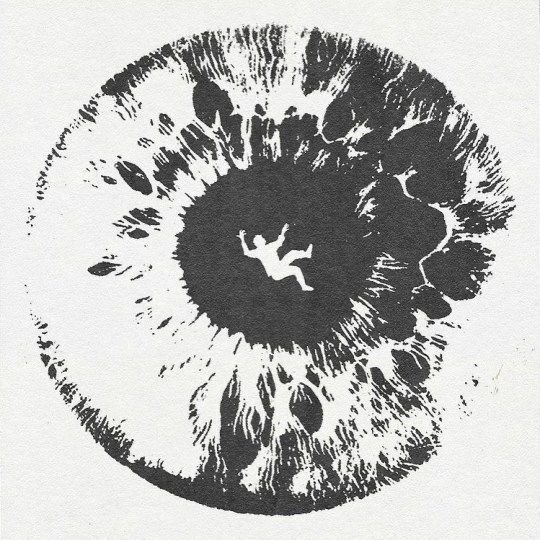
The film moves between lived reality and hallucinatory inner worlds—memory fractures, visions intrude, and time bends. At its core lies a single wound: a denied funeral, an unresolved loss that ignites Mrthyu’s political and artistic awakening. What emerges is not a story of escape, but of endurance—of turning scars into sound, pain into purpose, and art into a refusal to disappear.
Visual Tone & Style
Rooted in gritty realism, the film fractures into moments of hallucination and heightened inner vision. Handheld camerawork captures lived chaos, while surreal interruptions bend time and memory. Sound functions as narrative—rap, paarai rhythms, breath, distortion, and silence shaping emotion as much as image. Reality may break, but the voice endures.
Status
In Development / Seeking Producers and Funding
CLOSE
LETS MAKE HISTORY TOGETHER
+91 7200830373
vsanj24@gmail.com Contact@sanjaynarayanan.com
AG1, RACE COURSE SRISTI APARTMENTS, FIVE FURLONG ROAD, GUINDY, CHENNAI - 600032